
Foreclosures Are Rising in Broward County: What Homeowners Need to Know Now
In recent months, Broward County has seen a noticeable increase in foreclosure activity as courts have fully reopened and lenders are moving forward with previously delayed cases. Many homeowners who were protected during prior backlogs are now facing renewed legal action, including foreclosure judgments and scheduled sale dates.
With the Broward County foreclosure courts actively processing cases again, the timeline for foreclosure is moving much faster. Homeowners who may have once had months or even years before a sale are now seeing their cases pushed forward quickly, often with little warning. This makes it more important than ever to take immediate action upon receiving any foreclosure-related notice.
One of the most critical things to understand is that even if foreclosure seems inevitable, you may still have options. An experienced attorney can often delay or push back a foreclosure sale, giving you valuable time to explore alternatives, negotiate with the lender, or secure new housing arrangements. Without proper representation, homeowners risk losing their property abruptly and without a plan in place.
Foreclosure defense is not just about stopping the case entirely—it is also about protecting your time, your rights, and your ability to transition without being forced into a crisis situation. In many cases, strategic legal action can provide the breathing room necessary to avoid ending up without stable housing.
If you are facing foreclosure in Broward County, do not wait until the last minute. The earlier you involve an attorney, the more options you may have available. Acting quickly can make the difference between a controlled transition and a sudden displacement.
📞 If you are at risk of foreclosure, contact The Costello Law Firm, P.A. today to discuss your options.It All Begins Here
Confidence doesn’t always arrive with a bold entrance. Sometimes, it builds quietly, step by step, as we show up for ourselves day after day. It grows when we choose to try, even when we’re unsure of the outcome. Every time you take action despite self-doubt, you reinforce the belief that you’re capable. Confidence isn’t about having all the answers — it’s about trusting that you can figure it out along the way.
The key to making things happen isn’t waiting for the perfect moment; it’s starting with what you have, where you are. Big goals can feel overwhelming when viewed all at once, but momentum builds through small, consistent action. Whether you’re working toward a personal milestone or a professional dream, progress comes from showing up — not perfectly, but persistently. Action creates clarity, and over time, those steps forward add up to something real.
You don’t need to be fearless to reach your goals, you just need to be willing. Willing to try, willing to learn, and willing to believe that you’re capable of more than you know. The road may not always be smooth, but growth rarely is. What matters most is that you keep going, keep learning, and keep believing in the version of yourself you’re becoming.
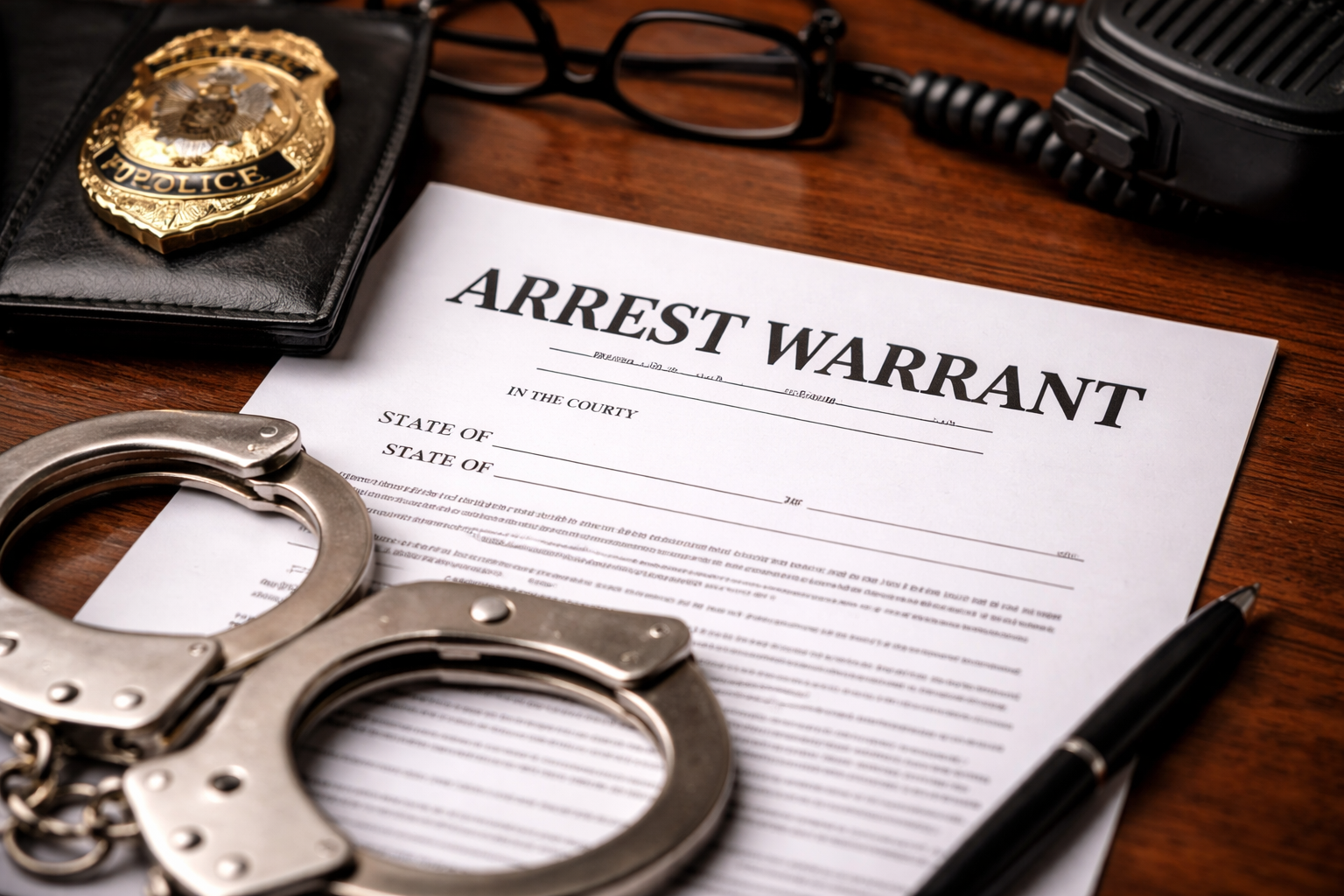
What to Do If You Have a Warrant in Florida
It All Begins HereHandling Warrants the Right Way
When a warrant has been issued, how the situation is handled from the outset can significantly impact the outcome. In many cases, individuals who act quickly and retain experienced legal counsel are able to avoid unnecessary time in custody and secure more favorable bond conditions.
An attorney who regularly handles warrant matters understands the procedures, the judges, and the expectations of the court. This allows for a more controlled and strategic approach—whether that involves coordinating a surrender, addressing the warrant proactively, or advocating for a reasonable bond before the client ever steps into a courtroom.
Judges who deal with these cases daily are accustomed to seeing experienced attorneys present these matters in a structured and professional manner. Having proper representation can influence how your case is perceived from the very beginning, which can ultimately affect bond, conditions of release, and how the case proceeds moving forward.
Attempting to resolve a warrant without legal guidance often results in unnecessary complications, including extended detention or less favorable outcomes. By contrast, a strategic and informed approach can help minimize disruption and put you in a stronger position from day one.
If you believe there is a warrant for your arrest, do not wait. The sooner you take control of the situation, the more options you may have available.
📞 Contact The Costello Law Firm, P.A. for immediate assistance.
Finding out that you have a warrant for your arrest can be overwhelming, but how you respond can significantly impact the outcome of your case. The worst mistake you can make is ignoring it or hoping it will go away. Warrants do not disappear—and waiting only increases the risk of being arrested at an inconvenient or high-risk time.
The first and most important step is to contact an experienced criminal defense attorney immediately. An attorney who regularly handles these matters can often coordinate a more controlled process, including arranging for a surrender under more favorable conditions and advocating for a bond to be set.
Judges who handle criminal matters on a daily basis expect cases to be presented in a certain way. Having an attorney who understands the local courts and procedures can make a significant difference in how your case is handled from the very beginning. This includes arguing for reasonable bond conditions and ensuring that your rights are protected throughout the process.
Attempting to handle a warrant situation on your own can lead to unnecessary time in custody or less favorable outcomes. With proper representation, many individuals are able to navigate the situation more efficiently and with far less disruption to their lives.
If you believe there is a warrant for your arrest, do not delay. Taking proactive steps now can help you avoid a much more difficult situation later.
📞 Contact The Costello Law Firm, P.A. for immediate assistance.

Cryptocurrency Taxes: What You Need to Know to Stay Compliant
Cryptocurrency Taxation: What You Need to Know
Cryptocurrency transactions are not invisible to the IRS. While there have not been sweeping new regulations in recent years, the government has made it clear that virtual currency activity is subject to taxation and reporting requirements. In fact, since 2019, the IRS has included a direct question on Form 1040 asking whether a taxpayer has engaged in any cryptocurrency transactions.
If you have bought, sold, traded, or received cryptocurrency, you may have reporting obligations. This includes capital gains for trades and dispositions, as well as ordinary income in situations such as airdrops, staking rewards, or payment for services. Failing to properly report these transactions can expose you to serious consequences, including penalties and potential allegations of tax fraud.
Cryptocurrency taxation is complex, particularly for individuals with multiple wallets, frequent trades, or decentralized finance activity. Proper calculation of gains, losses, and income requires careful analysis and accurate recordkeeping. Working with an attorney who understands both tax law and digital assets can help ensure compliance and reduce the risk of costly mistakes.
If you have engaged in cryptocurrency transactions and are unsure about your reporting obligations, it is critical to address these issues before they become a problem.
📞 Contact The Costello Law Firm, P.A. for guidance on cryptocurrency tax compliance.
Cryptocurrency continues to grow in popularity, but many taxpayers still misunderstand their reporting obligations. While there have not been sweeping new regulations issued recently, that does not mean crypto activity is unregulated or ignored by the IRS.
In fact, the IRS made its position clear back in 2019 when it updated Form 1040 to include a direct question asking whether a taxpayer has engaged in any virtual currency transactions. This includes buying, selling, trading, receiving, or otherwise acquiring cryptocurrency.
If you have engaged in cryptocurrency transactions, you are required to report them appropriately. This may include short-term or long-term capital gains, depending on how long the asset was held, as well as ordinary income in cases such as airdrops, staking rewards, or payment for services.
Failing to properly report cryptocurrency activity can expose you to serious consequences, including allegations of tax fraud. Unlike many other tax issues, fraud does not carry a standard statute of limitations, meaning the IRS can pursue enforcement actions years later.
Given the complexity of cryptocurrency transactions—especially for active traders or individuals with multiple wallets—it is critical to work with an attorney who understands both tax law and digital assets. Proper reporting and reconciliation can prevent costly mistakes and reduce the risk of future issues with the IRS.
If you have traded cryptocurrency or are unsure about your reporting obligations, it is important to address these issues proactively.
📞 Contact The Costello Law Firm, P.A. for guidance on cryptocurrency tax compliance and reporting.